
Private Label Office Furniture: A Guide for Furniture Brands
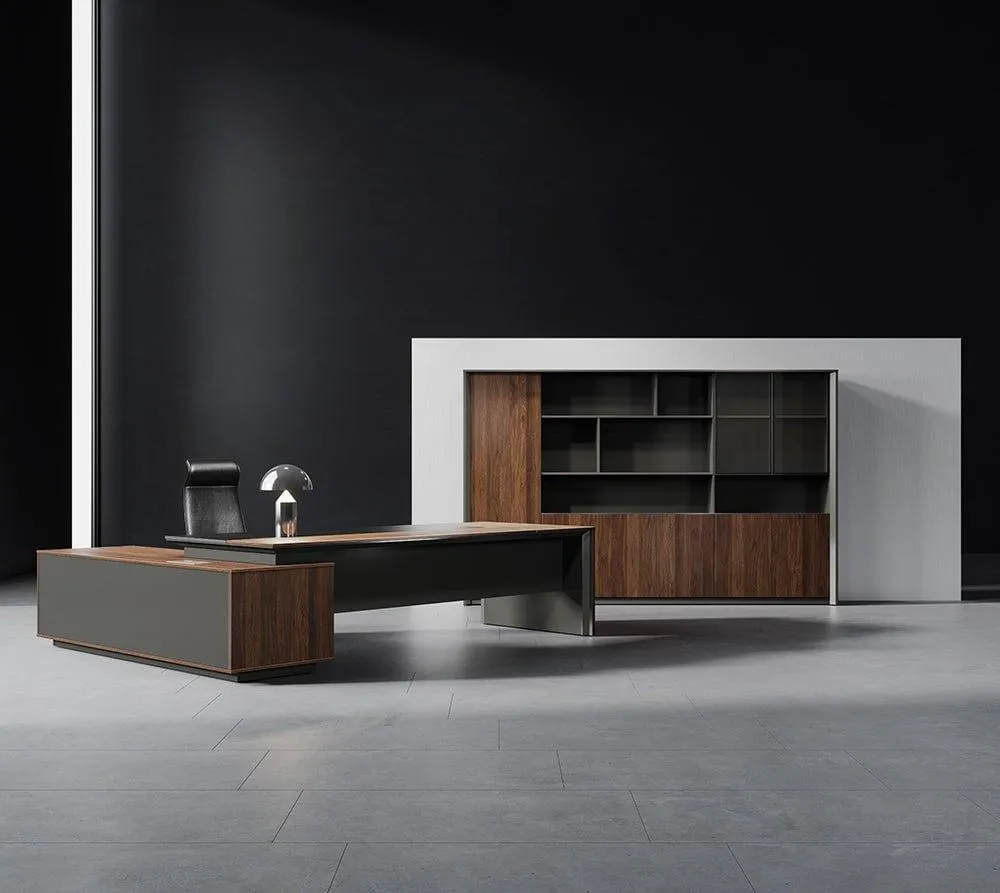
Launching an office furniture collection under your own brand does not mean you need to build a factory or develop every product from scratch. Instead, furniture brands, office furniture dealers, and workspace solution providers can work with a manufacturing partner to develop or adapt products for sale under their own brand names.
However, a successful private label collection requires more than adding a logo to an existing product. You also need a consistent design identity, clear product specifications, suitable packaging, and a reliable way to manage repeat orders. Without these elements, even a promising first order can lead to inconsistencies as your product range grows.
That is why private label office furniture requires a clear strategy from the beginning. You need to define your target market, decide which features to customize, establish an approval process, and choose a manufacturing partner that understands your commercial goals.
In this guide, we explain how to develop a private label office furniture collection, evaluate manufacturers, manage customization, and prepare your products for long-term growth.
1. What Is Private Label Office Furniture?
Private label office furniture refers to furniture that a manufacturer produces or customizes for sale under another company’s brand. Rather than managing every stage of production yourself, you work with a manufacturing partner to meet your requirements for design, materials, finishes, specifications, branding, and packaging.
The level of customization depends on your business needs. For example, you might start with an existing desk design and select your preferred finish. Alternatively, you could provide your own drawings and request more extensive product development.
In either case, your business focuses on product positioning, branding, sales, and customer relationships, while your manufacturing partner handles the production responsibilities defined in your agreement.
Private Label vs. White Label vs. OEM vs. ODM
Furniture suppliers often use these terms interchangeably. However, each term can describe a different aspect of the relationship between a brand and its manufacturing partner.
| Model | How It Works | Best Suited For |
|---|---|---|
| White label | The manufacturer supplies an existing product that another company sells under its own brand. | Businesses that want to introduce products quickly with limited redesign. |
| Private label | The manufacturer supplies products under the buyer’s brand, with customization depending on the agreement. | Furniture brands building a recognizable product range. |
| OEM | The manufacturer produces furniture according to the buyer’s designs, drawings, or specifications. | Brands with established product concepts or detailed technical requirements. |
| ODM | The manufacturer contributes existing designs or product development expertise to create or adapt products. | Brands that need design support or want to develop products from existing concepts. |
Although these models have different typical uses, they can overlap. For instance, a private label collection may include an existing ODM design, while an OEM project may also involve branded packaging and product labels.
More importantly, the terminology alone does not determine who owns a design, whether a product is exclusive, or who pays for development and tooling. You should clarify these responsibilities in a written agreement before production begins.
For brands entering the office furniture market, the key questions are straightforward: Which products already exist? What changes do they need? And which aspects of the product does your brand need to control?
2. Why Furniture Brands Choose Private Label Office Furniture
Private label manufacturing offers furniture businesses a practical way to expand their product offerings without managing every part of the manufacturing process. However, the benefits depend on your target market, available resources, and long-term business goals.
Build a More Recognizable Product Identity
A strong furniture brand needs more than a logo. Customers also recognize its design language, materials, proportions, colors, and attention to detail.
For example, an office furniture brand might develop a coordinated collection of desks and storage cabinets with matching finishes, complementary metal components, and consistent design details.
By working with a manufacturing partner, you can apply these design principles across multiple products. As a result, your collection can look cohesive rather than like a collection of unrelated items.
Expand Your Product Range More Efficiently
An office furniture dealer may already have strong relationships with commercial clients but offer only a limited range of products under its own brand.
A manufacturing partner can help you explore additional categories, depending on its capabilities. These may include executive desks, meeting tables, workstations, storage furniture, and office seating.
However, you do not need to launch every category at once. Instead, start with products that match your existing customers’ needs. A focused collection is usually easier to manage, promote, and develop than a large catalog of unrelated products.
Focus on Sales and Customer Relationships
Manufacturing requires equipment, technical expertise, production management, materials, and quality control. By outsourcing production, your business can direct more resources toward sales, customer service, brand development, and market expansion.
Nevertheless, outsourcing does not remove your responsibility for product decisions. You still need to communicate requirements, review samples, approve specifications, and understand the terms of your manufacturing agreement.
In other words, private label manufacturing changes where you invest your resources; it does not eliminate the work required to build a successful product range.
Support Repeat Orders and Long-Term Growth
For B2B furniture brands, the first order is only the beginning.
Commercial customers may later need additional workstations, replacement components, or matching furniture for another office location. To handle these requests efficiently, maintain clear records of product codes, finish references, specifications, and approved configurations.
This documentation helps your team identify the correct products when customers reorder. More importantly, it gives your manufacturing partner a clear reference for reproducing the agreed specifications.
Rather than relying on a general instruction to make the same product again, establish a repeat-order process from the beginning.
3. How to Build a Private Label Office Furniture Collection
Before requesting quotations, decide what you want your collection to achieve. A clear product plan helps manufacturers evaluate your requirements and gives you a more reliable basis for comparing their proposals.
Define Your Target Market
First, identify the customers you intend to serve.
Are you targeting corporate purchasing teams, commercial furniture dealers, interior designers, fit-out contractors, or smaller businesses? Do your customers need practical workstation systems, premium executive furniture, or coordinated furniture for entire offices?
Your answers will influence product specifications, finish choices, price positioning, packaging, and available configurations.
For example, a collection designed for large commercial projects may prioritize standardized components, practical installation, and dependable replenishment. In contrast, a premium executive range may place greater emphasis on material appearance, refined detailing, and coordinated storage.
Therefore, let your target market guide the product brief instead of treating it as an afterthought.
Select the Right Core Products
Next, identify the products your existing customers are most likely to buy. Avoid creating an unnecessarily large catalog before you understand demand.
For example, a brand serving corporate offices might begin with:
-
Executive desks and matching storage.
-
Staff workstations and desk systems.
-
Meeting tables.
-
Office storage cabinets.
-
Selected office chairs or collaborative seating.
Choose the final mix according to your sales priorities and your manufacturer’s capabilities.
In addition, consider which products can share materials, finishes, or design details. A coordinated range can strengthen your brand identity and simplify product planning. However, assess the actual production and cost implications before assuming that shared components will reduce expenses.
Establish a Consistent Design Language
Your products should feel related, even when the collection includes several furniture categories.
This does not mean every item must look identical. Instead, establish a few recognizable design principles, such as a consistent finish palette, complementary metal colors, related edge details, or a common approach to handles and storage.
Then, consider how desks, cabinets, meeting tables, and other products will look together in the same office.
One important detail is that the same color name does not always produce the same visual result across different materials. Lighting, texture, sheen, and surface treatment can all affect appearance.
For this reason, review actual material samples together whenever you need several products to match.
Balance Standard Products and Customization
Not every product needs a completely new design to represent your brand.
If an existing model already meets your functional and dimensional requirements, you may only need to change its finish, select a different configuration, or add agreed branding details.
However, consider more extensive customization when it solves a specific customer problem or gives your collection a meaningful point of difference. New structures, components, tooling, or materials can increase development work, costs, and lead times.
A practical starting point is to divide your proposed collection into three groups:
-
Products that can use existing configurations.
-
Products that need selected modifications.
-
Products that require more substantial development.
This approach helps you and your manufacturing partner estimate costs, sampling requirements, and production schedules more accurately.
Plan for Future Product Expansion
Finally, consider how you may expand the collection after launch.
Will you need additional desk sizes, alternative finishes, matching storage, or configurations for different office layouts? Could the same design language extend to meeting rooms or collaborative spaces?
Planning these possibilities early can prevent unnecessary complexity later. It also gives you time to establish consistent product names, codes, and documentation before the catalog grows.
4. What Can You Customize in Private Label Office Furniture?
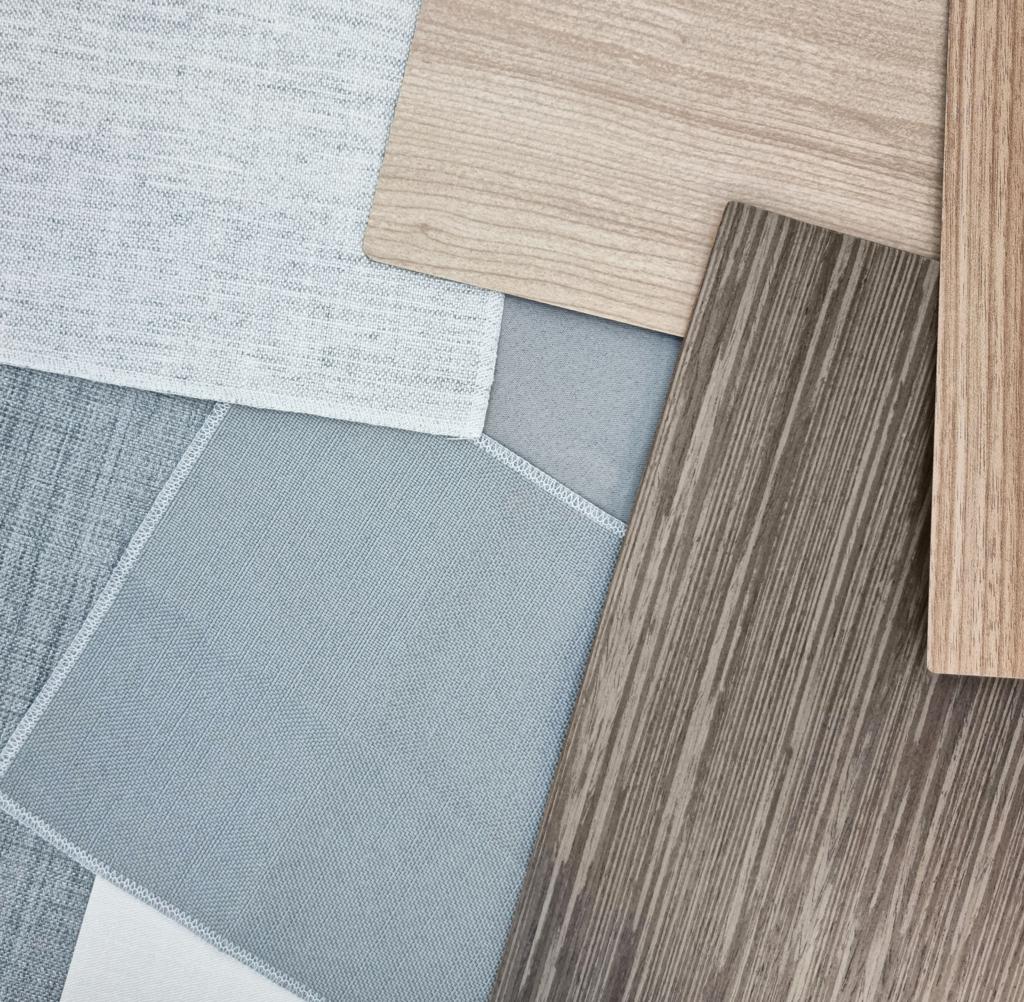
Customization depends on the product, existing design, available materials, order quantity, and manufacturer’s production capabilities. Therefore, discuss each product individually instead of assuming that every customization option applies to the entire collection.
Product Design and Dimensions
You may be able to customize dimensions, storage arrangements, cable management, component placement, functional features, and other construction details.
For example, a desk designed for a specific commercial application may need a different cable opening or storage configuration from a standard model.
To avoid misunderstandings, document these changes in drawings and product specifications. Reference photographs can communicate the intended appearance, but they rarely provide enough technical information for manufacturing on their own.
Materials and Finishes
Material selection directly affects a product’s appearance, feel, and suitability for its intended use. Depending on the furniture category, available options may include panel materials, wood-look finishes, metal finishes, upholstery, and other surface treatments.
However, do not choose materials based on color names alone. Grain direction, texture, sheen, edge treatment, and the interaction between different materials can all influence the final appearance.
For a coordinated collection, record the approved finish reference for each product and component. If several products need to match, review their samples under comparable lighting and document any acceptable variations.
Branding Elements
You can incorporate branding into different parts of a product and its presentation, depending on the agreed manufacturing method.
Possible options include logos, product labels, model identification, branded documentation, and other agreed details. Before production begins, confirm the artwork, dimensions, placement, application method, and approval requirements.
At the same time, distinguish branding from product identification. Your private label arrangement should not remove product information that applicable requirements call for.
Packaging and Product Documentation
Packaging plays both a branding and a practical role. It represents your product during delivery, while also helping teams receive, store, identify, and install the furniture.
Depending on your project, you may require customized cartons, labels, barcodes, assembly instructions, or product documentation.
To keep the process clear, confirm who supplies the artwork, who approves the final version, and which details each carton must display. If a product ships in multiple packages, use clear labels to help the receiving team identify the complete set.
For international sales, also establish who will review applicable labeling, product information, and destination-market requirements.
Product Configuration and Range Coordination
Many furniture products come in several sizes, finishes, and configurations. Give each variation a clear identifier so that customers, sales teams, warehouse staff, and manufacturers can distinguish the options.
For example, a desk model with three sizes and two finishes should not rely on its general collection name alone. Instead, use a product code and configuration record to identify each version.
This becomes increasingly important as your collection grows or customers place repeat orders for multiple configurations.
5. How to Choose the Right Private Label Office Furniture Manufacturer
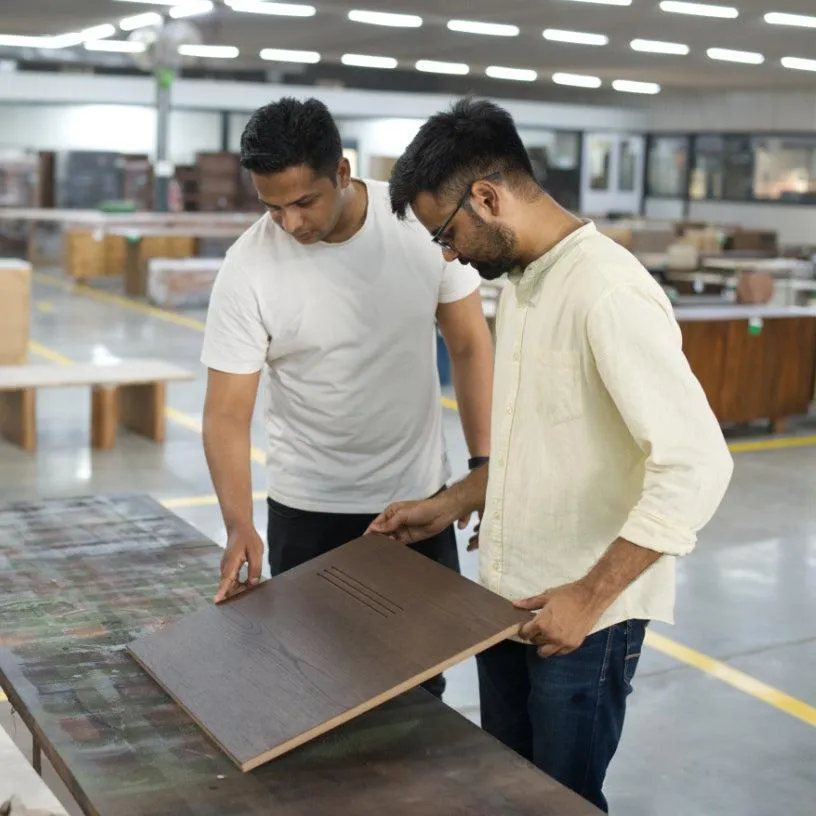
The right manufacturing partner should understand your product requirements and explain how it can meet them. A catalog and a unit price alone cannot tell you whether a supplier is suitable for your project.
Before making a commitment, evaluate the following areas.
Product and Manufacturing Capabilities
First, confirm that the manufacturer can produce the categories and configurations you need.
Ask which processes the manufacturer handles in-house, which components it sources externally, and how these arrangements affect your project. Rather than relying on broad claims about manufacturing capabilities, focus on the specific products you plan to develop.
If your collection includes several categories, also clarify how the manufacturer will coordinate their production and specifications.
Technical Communication
Clear communication helps translate your brand’s requirements into workable manufacturing instructions.
Your manufacturing partner should be able to review drawings, dimensions, materials, hardware, finish references, and product functions. Before production begins, both parties should identify unresolved questions and agree on how to address them.
You can also evaluate a supplier by asking how it manages changes. Does the team explain the technical implications and update the relevant documents? Or does the change remain buried in an email conversation?
A clear change-control process helps prevent misunderstandings as the project moves forward.
Quality Control and Sample Approval
Ask how the manufacturer checks that production follows the agreed specifications.
Depending on the product, the process may include material checks, sample reviews, dimensional measurements, functional tests, and final inspections.
However, a general promise of “high quality” does not tell you what the manufacturer will actually check. Request relevant documentation and agree on inspection criteria, inspection timing, and the process for handling nonconforming products.
Also, define sample approval carefully. A finish sample can confirm the surface appearance, but it does not automatically approve the construction or function of a complete desk.
Customization and Development Support
A supplier may offer extensive customization for some products but only limited changes for others.
Therefore, discuss your proposed changes before comparing quotations. Ask which options use existing components, whether new tooling or development work is necessary, and what information the manufacturer needs to assess feasibility.
For original designs, clarify responsibilities for drawings, revisions, tooling, intellectual property, and permitted use. These details become particularly important when your brand needs to protect its product identity.
Packaging, Delivery, and Project Coordination
The furniture itself represents only one part of the order.
You should also confirm how the manufacturer will pack, identify, and prepare the products for shipment. Clarify who handles transport arrangements and whether the quotation includes unloading, assembly, installation, or packaging removal.
Most importantly, document these responsibilities in the quotation or agreement. Do not assume that private label manufacturing automatically includes every delivery or installation service.
Repeat-Order Planning
Finally, ask how the manufacturer records approved specifications, product codes, finish references, and revisions.
Discuss material availability, discontinued components, replacement parts, and the process for approving changes that could affect future orders.
A reliable repeat-order process gives your team a clear reference when purchasing again. It also helps you identify material or component changes before they affect customer orders.
6. From Product Brief to Mass Production: The Private Label Process
A private label project becomes easier to manage when each stage has a clear purpose and approval point. The following process can help you organize communication with your manufacturing partner.
Step 1: Prepare the Product Brief
Start by preparing a product list, estimated quantities, target market, budget expectations, brand requirements, and delivery destination.
Where possible, include reference images, drawings, preferred finishes, and packaging requirements. Also, distinguish between fixed requirements and areas where you welcome the manufacturer’s suggestions.
A complete brief gives the supplier a better understanding of your needs before it prepares a quotation.
Step 2: Review Technical Requirements
Next, review the feasibility of the proposed products and customization.
Confirm dimensions, construction, materials, hardware, functional requirements, and the scope of any design changes. If the initial information is incomplete, list the outstanding decisions and agree on how to resolve them.
The goal is to establish a workable specification before moving from an attractive reference image to production.
Step 3: Develop and Approve Samples
Choose a sample type that answers the questions you need to resolve.
For example, a material sample may be enough to select a finish, while a component sample can help confirm a specific detail. If you need to evaluate the overall construction, assembly, or functionality, request a complete furniture sample where appropriate.
Once you approve a sample, record the exact version and any remaining exceptions. If the sample contains temporary components or substitute materials, clearly document those differences before proceeding.
Step 4: Approve Specifications, Branding, and Packaging
Before mass production, make sure the product specifications and brand materials match your expectations.
Your approval records should identify the model, dimensions, finish, components, branding details, and packaging requirements. Give the relevant drawings and artwork clear version identifiers so everyone works from the same information.
Remember that product approval, branding approval, and packaging approval represent separate decisions. Approving one should not automatically approve the others.
Step 5: Confirm Production and Inspection Requirements
After completing the necessary approvals, confirm the production schedule and inspection arrangements.
Account for material preparation, production requirements, and any changes that could affect delivery. Also, clarify when the production lead time begins and which approvals the manufacturer needs before starting.
Set inspection criteria according to the actual product specifications. If a deviation occurs, agree on how to assess and resolve it before the order moves to the next stage.
Step 6: Coordinate Delivery and Future Orders
Before shipment, confirm the packing list, carton identification, delivery arrangements, and each party’s responsibilities.
After completing the order, keep the approved product records and relevant production documents. When you place a repeat order, refer to the exact product code, configuration, and revision rather than relying on an informal description.
This process gives your brand a stronger foundation for inventory management, commercial customer service, and future product expansion.
7. Common Mistakes to Avoid in Private Label Furniture Sourcing
Even a promising product concept can encounter problems if the brand and manufacturer overlook important details. Fortunately, you can reduce many of these risks through careful planning and clear communication.
Choosing a Manufacturer Based on Unit Price Alone
A low unit price may not reflect the full cost of development, samples, packaging, tooling, transportation, or future changes.
Instead, compare quotations using the same specifications and order assumptions. If suppliers list additional costs separately, determine which charges apply only once and which will recur with each order.
This approach gives you a more realistic basis for comparing proposals.
Using Vague Product Specifications
Terms such as “walnut finish,” “premium fabric,” and “modern design” can mean different things to different people.
To avoid confusion, use material references, drawings, measurable requirements, and approved samples wherever appropriate. The more specific your requirements, the easier it becomes to evaluate the finished product against them.
Approving Samples Without Keeping Records
You may approve a sample during a meeting or through a series of messages. However, the production team still needs a clear, accessible record of that decision.
Keep the relevant drawings, finish references, artwork approvals, and outstanding exceptions together. Whenever either party makes a change, update the correct documents so the team can identify the current approved version.
Assuming Private Label Means Exclusive Rights
Selling furniture under your brand does not automatically give you exclusive rights to the design.
If exclusivity matters to your business, define the relevant products, territory, duration, permitted uses, and other conditions in a written agreement. You should also address ownership of original designs, tooling, and artwork where applicable.
Clear terms help both parties understand their rights and responsibilities before production begins.
Ignoring Future Replenishment
A product may sell well initially, but repeat orders can become complicated if the original finish is no longer available or the product description does not identify the exact configuration.
To reduce this risk, maintain approved specifications and ask the manufacturer to communicate relevant material or component changes before confirming a repeat order.
Planning replenishment from the beginning makes it easier to maintain consistency as your brand grows.
8. How FENLERN Supports Private Label Office Furniture Projects
For furniture brands, a manufacturing partner adds value by translating product requirements into a practical production plan.
Founded in Foshan, China, in 2017, FENLERN combines office furniture design and manufacturing with workspace planning and project support. Its 60,000 m² manufacturing base supports production activities including panel processing, metal fabrication, painting, upholstery, and height-adjustable desk assembly.
These capabilities provide a starting point for discussions about coordinated office furniture collections, customized specifications, and broader workspace requirements.
For a private label project, FENLERN first needs to understand the collection you want to develop. You can share your product list, existing drawings, reference images, estimated quantities, preferred finishes, and branding requirements. If your brief does not cover every detail, the team can identify the outstanding questions for further discussion.
Based on the agreed project scope, FENLERN can discuss product requirements, materials, finishes, and customization options. The next stages may include technical review, sample planning, approval records, production scheduling, and delivery coordination.
However, each project has different requirements. You should confirm the scope of branding methods, packaging, product development, inspection, and delivery services before placing an order rather than assuming every service comes with every project.
If you plan to expand your own office furniture range, start with a clear product brief. This gives both sides a practical basis for evaluating feasibility, identifying necessary approvals, and planning the next steps.
Discuss Your Private Label Office Furniture Project with FENLERN
Share your intended product range, estimated quantities, target market, preferred finishes, and branding requirements with FENLERN. If you already have drawings or product references, include them in your enquiry so the team can better understand your needs.
For projects that require more extensive product changes, you can also explore our guide to customized office furniture, from design brief to production.
Frequently Asked Questions
What is private label office furniture?
It is office furniture that a manufacturer produces or customizes for sale under your brand.
Can FENLERN customize office furniture for my brand?
FENLERN can discuss customization options based on your product requirements and project scope.
What can I customize?
Depending on the product, you may customize dimensions, materials, finishes, configurations, branding, and packaging.
Does private label office furniture require a new design?
No. You can use existing products, request selected modifications, or develop a new design, depending on your needs.
Does private label manufacturing include exclusive design rights?
Not automatically. Define any exclusivity or design ownership arrangements in your agreement.
How can I start a private label project with FENLERN?
Share your product list, estimated quantities, brand files, preferred materials, and delivery expectations with FENLERN.
Final Thoughts
Private label office furniture gives brands a practical way to develop their own product offerings without managing every part of manufacturing in-house. However, long-term success depends on more than selecting attractive products. You also need a clear product strategy, meaningful customization, documented approvals, and a reliable process for production and replenishment.
A recognizable brand needs more than a logo on a desk or a label on a carton. It needs products that meet customer expectations and a manufacturing partnership that can support the collection as it develops.
If you are planning a private label office furniture range, FENLERN can discuss your product requirements, customization options, and manufacturing needs to help you determine the next steps for your project.

