
From Approved Sample to Batch Production: Our Office Furniture Checks
Buying office chairs in bulk is not simply a matter of choosing a design and asking for a lower price. For furniture wholesalers, distributors, office fit-out contractors and corporate procurement teams, the decision affects product quality, delivery schedules, maintenance costs and the experience of the people who use the chairs every day.
Two office chairs may look almost identical in a product photo but perform very differently in daily use. Differences in adjustment mechanisms, upholstery, structural components and assembly quality can have a noticeable impact over time. The same applies to suppliers: a competitive quotation means little if the final order does not match the approved sample or arrives later than planned.
The challenge is to compare products and suppliers on equal terms.
This guide explains what B2B buyers should evaluate when sourcing wholesale office chairs, from ergonomic features and materials to pricing, customization, quality control and after-sales support. The goal is to help you make a purchasing decision that works for your budget, your customers and your next project.
1. Match the Chair Range to Your Commercial Needs
Before comparing suppliers, define where the chairs will be used and what they need to do. A chair designed for a private executive office may not be the right choice for a large open-plan workplace. Likewise, a visitor chair has different requirements from a task chair used throughout an eight-hour working day.
Start with the application.
- Task chairs:For everyday desk work, prioritize adjustment, appropriate lumbar support and ease of use.
- Executive chairs:Consider seating comfort, materials, appearance and how well the design fits the office environment.
- Conference chairs:Look at comfort during meetings, ease of movement, visual consistency and the available floor space.
- Visitor and reception chairs:Focus on appearance, straightforward maintenance and suitability for shorter periods of use.
- Training and shared-workspace chairs:Depending on the setting, stackability, mobility, storage and easy cleaning may matter more than extensive adjustment features.
For office furniture wholesalers and distributors, the decision also involves product range. Carrying several chair types at different price points can help serve customers with different budgets without making the catalogue unnecessarily complicated.
For project buyers, consistency across the furniture package may be more important. The chairs need to work with the desks, meeting tables, finishes and overall design of the space.
It is worth documenting the expected quantity, user group, working hours, preferred appearance and budget before requesting quotations. A clear brief gives suppliers a better chance of recommending suitable products and makes their proposals easier to compare.
2. Compare Ergonomics and Adjustment Features
Ergonomics is often used as a selling point in office chair descriptions, but the term alone does not tell a buyer much. The important question is whether the chair’s dimensions, support and adjustments suit its intended users.
When comparing ergonomic office chairs wholesale, look at the actual features rather than relying on labels such as “ergonomic” or “premium.”
Seat height and seat depth
Check the available adjustment range and the dimensions of the seat. Users should be able to find a workable seating position without the front edge placing unnecessary pressure behind the knees. If the chair is intended for a broad user group, the adjustment range deserves particular attention.
Lumbar support and backrest
Look at the shape of the backrest and whether the lumbar support is fixed or adjustable. If adjustment is offered, confirm how it works and how much movement is available. A photograph showing a curved backrest does not establish how well it will support different users.
Armrests
Armrests may be fixed, height-adjustable or adjustable in several directions. The appropriate option depends on the work being done, the user’s preferences and whether the chair needs to fit beneath a desk.
Tilt and recline
Check whether the backrest reclines, whether the resistance can be adjusted and whether the mechanism provides the positions users need. Ask for a clear explanation of the mechanism rather than assuming that chairs with similar appearances offer the same functions.
A sample is particularly useful here. Have people representative of the intended user group try the chair, adjust its settings and sit in it at a normal working desk. Record any problems with reach, stability, controls or fit.
There is no need to select the model with the longest feature list. For some applications, a well-designed chair with straightforward adjustments is more appropriate than a complicated model with features users rarely need.
3. Evaluate Materials, Construction and Durability
Materials influence the appearance, feel, maintenance requirements and expected service life of an office chair. However, the material name alone is not enough to determine quality. Construction details and the way components work together matter just as much.
When reviewing a quotation, ask for a specification sheet that identifies the main materials and components.
| Component | What B2B buyers should check |
| Mesh or upholstery | Material specification, surface feel, cleaning requirements and suitability for the intended use |
| Seat cushion | Cushion construction, firmness, support and resistance to changes with use |
| Backrest and frame | Structural design, connection points and stability |
| Armrests | Material, attachment method, movement and resistance to looseness |
| Tilt mechanism | Adjustment functions, operating feel and supporting documentation |
| Gas lift | Supplier specification, applicable certification or test documentation, where required |
| Base and casters | Material, stability, finish and compatibility with the intended floor surface |
These details should be evaluated together. A chair with attractive upholstery may still be unsuitable if its adjustment mechanism is difficult to operate or its base does not meet the requirements of the application.
Ask suppliers to explain which components differ between product grades. For example, two models may use similar mesh but have different mechanisms, bases or adjustment options. Understanding these differences helps buyers decide whether the price gap reflects a meaningful improvement.
Durability claims should also be supported by evidence. Depending on the product and destination market, this may include applicable test reports, component documentation or results from recognized testing procedures. Confirm the scope of any report and whether it applies to the exact model being quoted.
Do not treat every material or component as universally superior. A metal base may be appropriate for one design, while a well-specified reinforced polymer base may suit another. The decision should be based on documented performance, the intended application and the overall cost.
4. Verify Safety Standards and Bulk Order Consistency
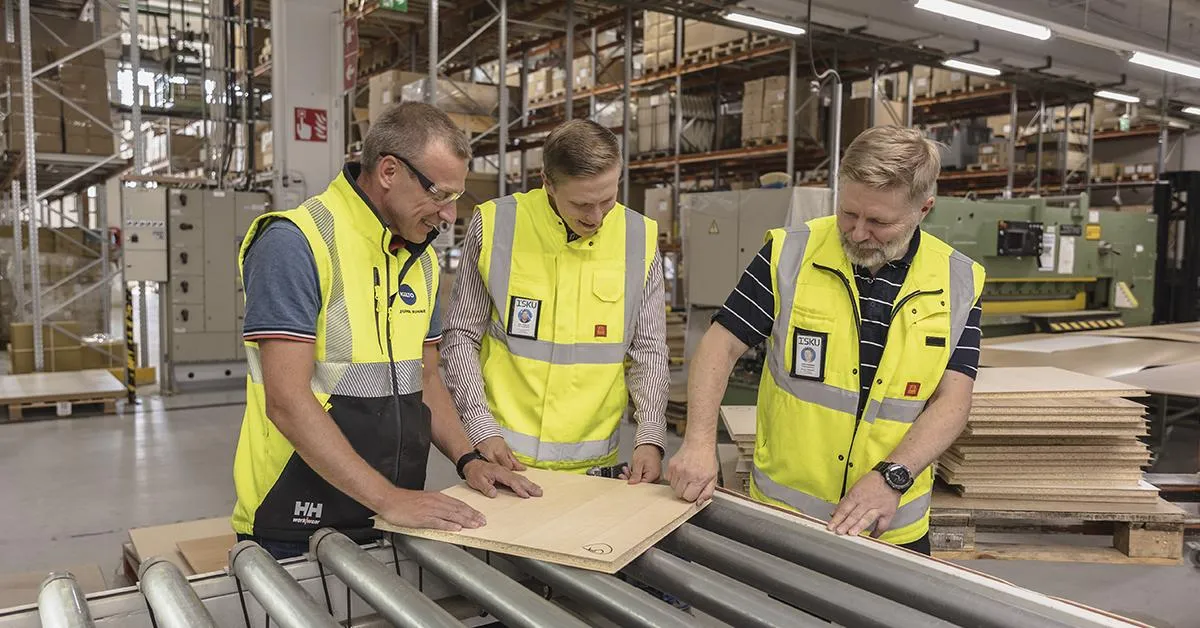
One of the most important steps in wholesale purchasing is establishing what the supplier is actually committing to deliver.
A sample can help assess a chair’s appearance and operation, but it cannot by itself establish that every unit in a large order will be identical. This is why product approval and quality requirements should be documented before production begins.
Confirm the relevant standards first.
Applicable requirements vary by destination market, chair type and intended use. Ask the supplier which standards or testing requirements apply to the proposed model and request the corresponding documentation where required. Check the model identification, test scope, issuing organization and validity of any certification or report.
Avoid accepting a general statement that a supplier’s products are “certified” without confirming which product and requirements it covers.
Approve a clearly specified sample.
The approved sample should correspond to the model and configuration in the purchase order. Record important details such as upholstery, frame finish, base, casters, armrests, adjustment functions and packaging where these affect the order.
If a component needs to change during production, require written approval before the change is implemented.
Define the quality inspection process.
Ask how the supplier checks incoming materials, production stages and finished chairs. The exact process will vary by factory and product, but buyers should understand how defects are identified, how nonconforming items are handled and what records can be provided.
For larger orders, agree on inspection criteria before production. These may cover appearance, dimensions, assembly, adjustment functions, packaging and other product-specific requirements.
A written specification and inspection plan give both parties a common reference if a dispute arises. They are also useful when the same chair needs to be reordered months later.
5. Compare Wholesale Prices and Total Cost
Price is an important part of any bulk purchase, but comparing unit prices alone can produce misleading results.
A quotation for a basic chair with fixed armrests and a standard base is not directly comparable with one for an adjustable model using different components. The difference may reflect real changes in product specification rather than a supplier simply charging more.
Before comparing wholesale office chair prices, make sure each supplier is quoting the same requirements.
Check the following items:
- Model, configuration and material specifications
- Order quantity and any price breaks
- Sample, tooling or development charges, where applicable
- Customization and branding costs
- Packaging and assembly requirements
- Spare parts or accessories included in the order
- Shipping terms, freight and insurance responsibilities
- Applicable duties, taxes and destination charges
- Payment terms and the agreed delivery schedule
Some costs depend on the agreed shipping terms and destination, so they may not appear in the same part of every quotation. Ask suppliers to identify what is included, what is excluded and which costs remain estimates.
It is also useful to consider the cost of ownership.
A lower-priced chair may be the right choice for a short-term or budget-sensitive application. For a workplace expected to use the same chairs for years, maintenance, replacement parts, warranty coverage and the expected service life may deserve more weight.
For example, if two models have different prices, compare the price difference against their specifications, available test evidence and expected maintenance requirements. Do not assume that the more expensive model will necessarily last longer; look for evidence that supports the additional cost.
For a wholesale business, margin and resale price matter as well. Buyers should consider how the product fits their target market, what service costs they may incur and whether replacement units can be sourced consistently.
The objective is not always to find the lowest price. It is to understand exactly what each price buys.
6. Check Customization Options and Product Range
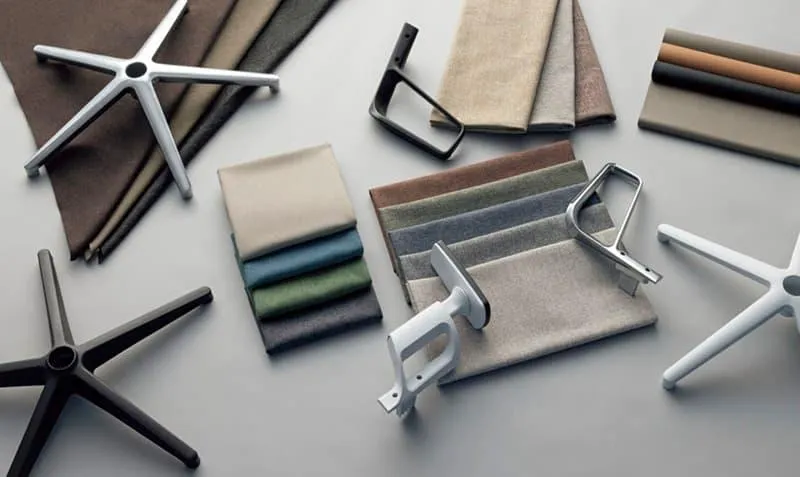
Customization can help a distributor differentiate its offering or help a project team achieve a consistent workplace design. However, the scope of customization varies considerably between suppliers and product models.
Start by separating standard options from changes that require additional development.
Standard configuration options may include available upholstery colors, frame finishes, base styles or alternative armrests, depending on the model.
Branding and packaging may involve logo labels, branded cartons, product identification or other agreed details.
Product modifications can be more complex. Changes to dimensions, structure, mechanisms or component combinations may require technical review, sampling and additional testing. They may also affect minimum order quantities, costs and lead times.
When discussing custom office chairs, ask the supplier to confirm:
1.Which options are already available for the selected model?
2.What is the minimum order quantity for each option?
3.Will a pre-production sample or revised sample be required?
4.Are there additional development, tooling or testing costs?
5.Will the change affect delivery time or applicable product documentation?
These questions help prevent a common sourcing problem: agreeing on a customization during initial discussions and discovering later that it is not commercially practical for the intended order quantity.
It is also important to distinguish chair customization from customization of the wider office furniture package. A supplier may offer a broad range of desks, storage and other furniture, but that does not automatically mean every chair component can be modified.
For projects involving several furniture categories, confirm the available options product by product. A clear scope is easier to quote, approve and deliver.
7. Assess Supplier Capacity, Lead Times and Shipping
A supplier’s ability to deliver a bulk order involves more than the size of its factory or the number of products shown in its catalogue. Buyers need to understand whether the supplier can manage the particular order, including its specifications, quantity, schedule and destination.
Start with the production plan. Ask for the estimated lead time and clarify when that period begins. Sample approval, deposit confirmation, material availability and final specification approval may all affect the schedule.
For large or customized orders, it is useful to agree on milestones such as:
- Confirmation of the final specifications and order quantity
- Approval of samples and finishes
- Confirmation of material availability
- Production progress updates
- Pre-shipment inspection, where agreed
- Packaging, dispatch and shipping documentation
These milestones make delays easier to identify before they become urgent project problems.
Packaging deserves similar attention. Chairs may be shipped assembled or partially disassembled, depending on the model and packaging design. Ask for packaging dimensions, carton weight, protective materials and assembly requirements. If container loading is relevant, request a loading plan based on the actual packaging configuration rather than a general estimate.
Also clarify the shipping terms, delivery responsibilities, expected transit time and the process for handling damaged or missing goods.
When comparing an office chair supplier with another, look for specific answers rather than broad assurances about fast delivery or large production capacity. A realistic schedule with clear responsibilities is more useful than an aggressive promise that has not been supported by a production plan.
For project buyers, the delivery date should be considered alongside installation and occupancy schedules. For wholesalers, stock availability and repeat-order planning may be equally important.
8. Review Warranty, Spare Parts and After-Sales Support
The purchasing process does not end when the chairs arrive. Even a well-made product may require replacement parts, adjustments or warranty support during its service life.
Before placing an order, request the warranty terms in writing. Check the coverage period, covered components, exclusions, claim requirements and the procedure for resolving problems. Do not assume that all components have identical warranty coverage.
Spare parts are another practical consideration. Ask whether items such as casters, armrests, gas lifts or other replaceable components can be supplied for the specific model. Confirm how replacement parts are identified and ordered.
This becomes especially important for wholesalers and distributors that sell the same chair to multiple customers. A repeatable parts process can make after-sales support easier to manage and help reduce unnecessary replacements.
Buyers should also understand the supplier’s procedure for handling defects. Clarify what evidence is required, how issues should be reported, who pays for replacement parts or shipping under the agreed terms, and what happens when an issue affects multiple units.
Finally, record the model number, approved specification and any relevant production or batch information. These records help identify the correct parts and make future reorders more straightforward.
A supplier’s after-sales arrangements should be assessed before the order is placed, not only after a problem appears.
Wholesale Office Chairs Buying Checklist
Before confirming a bulk order, use this checklist to make sure the key decisions have been documented.
| Purchasing item | What to confirm |
| Intended use | User group, working hours, environment and quantity |
| Product specification | Dimensions, materials, adjustment functions and finish |
| Quality evidence | Relevant test reports, standards and component documentation |
| Sample approval | Approved model, configuration and acceptable quality criteria |
| Price comparison | Matching specifications, quantities and quotation inclusions |
| Customization | Available options, MOQ, fees and sample approval requirements |
| Production schedule | Lead time, milestones and delay communication |
| Shipping | Packaging, shipping terms, documentation and delivery responsibility |
| Warranty | Coverage, exclusions, claim process and spare parts |
| Repeat orders | Model identification, specification records and product continuity |
If several suppliers are being evaluated, use the same checklist for each one. It creates a consistent basis for comparison and helps prevent an attractive quotation from receiving more weight than it deserves.
Frequently Asked Questions
1. Can I source wholesale office chairs from Fenlern?
Yes. Contact Fenlern Furniture to discuss your project requirements and confirm available products and order details.
2. Does Fenlern offer customization for office furniture?
Fenlern provides office furniture design and manufacturing capabilities. Contact our team to confirm customization options for your specific requirements.
3. How can I request a quote from Fenlern?
Share your required chair types, order quantity, specifications, destination market and expected delivery date with Fenlern to request a quotation.
4. What should I confirm before placing a bulk order with Fenlern?
Confirm product specifications, sample approval, pricing, lead time, packaging, quality requirements and warranty terms before placing your order.
Final Thoughts
Choosing the right wholesale office chair supplier involves more than comparing unit prices. B2B buyers should evaluate ergonomics, materials, product consistency, customization options, delivery schedules and after-sales support before making a decision.
At Fenlern Furniture, we bring experience in commercial office furniture manufacturing, with capabilities covering research and development, design, production and sales. We understand the importance of matching product requirements with project budgets, specifications and delivery plans.
If you are sourcing office chairs or planning a commercial office furniture project, contact Fenlern to discuss your requirements and confirm the right solutions for your business.

